CNC Machining Capabilities
CNC Machining Services and Capabilities
Explore CNC machining services for custom projects across milling, turning, multi-axis machining, Swiss machining, grinding, EDM, prototyping and repeat production.
Use this page to identify the manufacturing capability most relevant to your part and project requirements. When process selection depends on geometry, material, tolerance or other project-specific conditions, the requirements can move to engineering review.
Core Capabilities
Find the Right Machining Capability for Your Project
Choose the process route that best matches your part, production stage and technical requirements. Each capability below leads to a dedicated page with more specific process information and project guidance.
Process Selection
How to Choose the Right Machining Route
The right CNC machining route depends on the part and project rather than on a single process label. Geometry, material, quantity, tolerance, finishing and inspection requirements can all influence the manufacturing approach.
Part Geometry
Consider the surfaces, internal features, access directions and setup requirements of the part.
Material
Material choice can affect machining strategy, tooling and downstream operations.
Quantity
Prototype, low-volume and repeat-production requirements may need different process planning.
Tolerance
Critical tolerances should be reviewed together with geometry, process and inspection requirements.
Finishing
Surface finish and secondary operations may affect the overall manufacturing route.
Inspection
Inspection and documentation requirements should be identified before final project confirmation.
For buyers comparing a CNC metal machining service, material and part requirements should be considered together rather than treated as separate decisions. If the correct machining service is not clear from the initial information, the project can move to engineering review before the manufacturing route is confirmed.
Engineering Review
Project Review and Capability Confirmation
Some project requirements can be screened from the information provided, while others need drawing-based review before they can be confirmed.
The appropriate manufacturing route should be evaluated against the actual part rather than supported by fixed claims that may not apply to every project.
Machine and process selection depends on part geometry and project requirements.
Practical size limits should be confirmed against the selected manufacturing route.
Critical tolerances require drawing-based review and appropriate inspection planning.
Secondary machining, finishing and special process requirements are reviewed according to the project.
Measurement methods and documentation depend on the drawing and critical characteristics.
MOQ, lead time and quotation details are confirmed after the manufacturing requirement has been reviewed.
Quality & Evidence
Quality Evidence Should Support the Project
Where verified project information is available, manufacturing capabilities can be supported with relevant inspection information, quality documents, images, case references or other evidence.
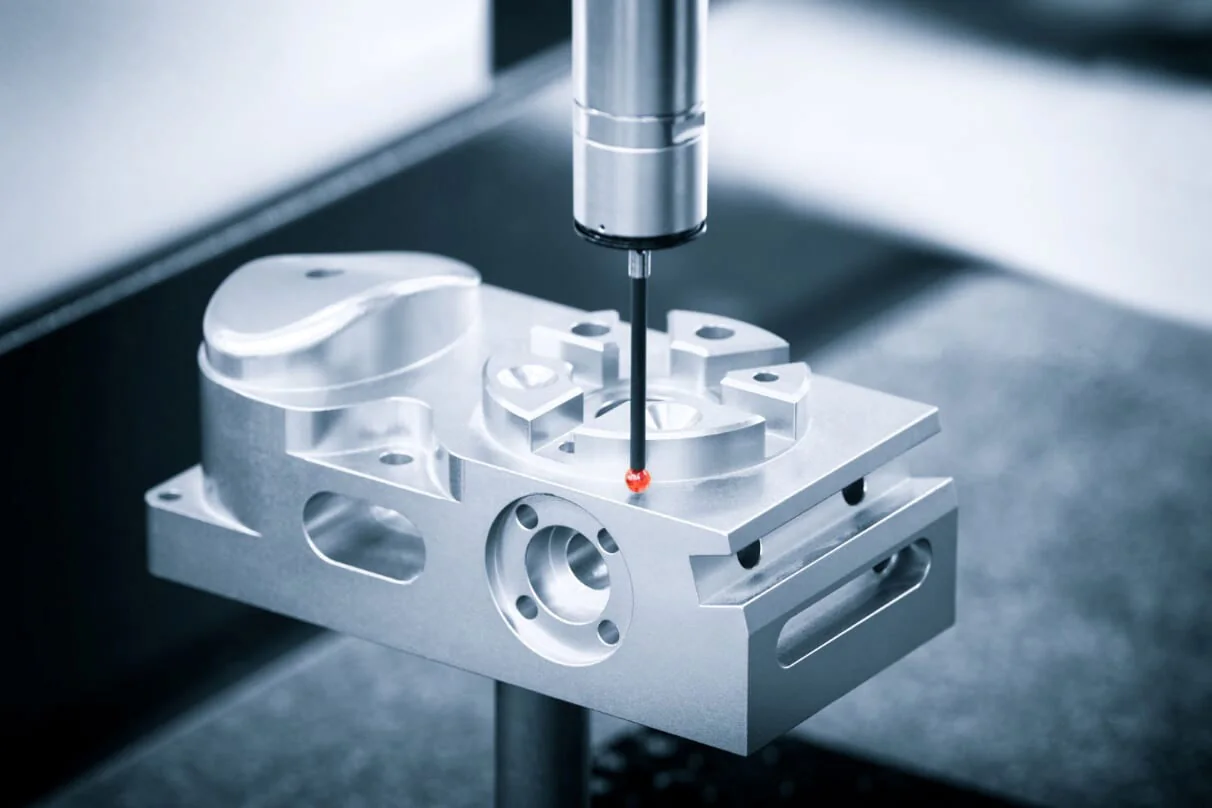 Inspection & Project Review
Project feasibility starts with the actual drawing and critical manufacturing requirements.
Inspection requirements can be matched to part features and quality expectations.
Available documents and records should reflect verified project information rather than generic claims.
Technical and commercial questions can continue through engineering and quotation review.
Start a Project
Ready to Move Your Project Forward?
If you already know which capability fits your part, continue to the relevant service page above. If you are ready to request pricing, send the available drawing and project information so the manufacturing scope can be reviewed before quotation.